


Anterior Cruciate Ligament (ACL) Tear

Dr Chiam Tut Fu

MBBS (Singapore)
MSS (Sports Medicine) (USA)
MMed (OM) (Singapore)
GDOM (Singapore)
DWD (Singapore)
Overview
An ACL tear is a partial or complete rupture of the anterior cruciate ligament — one of four major ligaments that stabilise the knee joint. It occurs most commonly during pivoting, cutting, or sudden deceleration movements. At MSMC, Dr. Chiam Tut Fu provides evidence-based, non-surgical assessment and treatment for all grades of ACL injury.
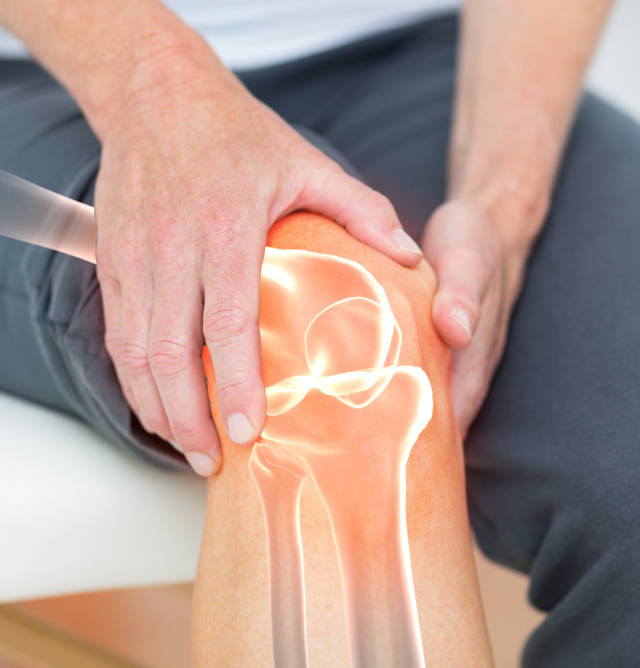
What is the ACL?
The ACL runs diagonally through the centre of the knee joint, connecting the femur (thigh bone) to the tibia (shin bone). Its primary functions are to control rotational stability and prevent the tibia from sliding forwards relative to the femur. Disruption of the ACL compromises the fundamental mechanics of the knee during dynamic movement. ACL tear severity is commonly classified into three grades based on the extent of fibre damage and resulting functional impairment.
Grade I — Mild
- Description: Fibres stretched; structural integrity maintained
- Functional Impact: Mild tenderness; no clinically significant instability
Grade II — Moderate
- Description: Partial fibre disruption; partial continuity maintained
- Functional Impact: Significant pain; instability on pivoting and cutting
Grade III — Severe
- Description: Complete rupture of the ligament
- Functional Impact: Marked instability; significant swelling; often unable to bear full weight
Causes & Risk Factors
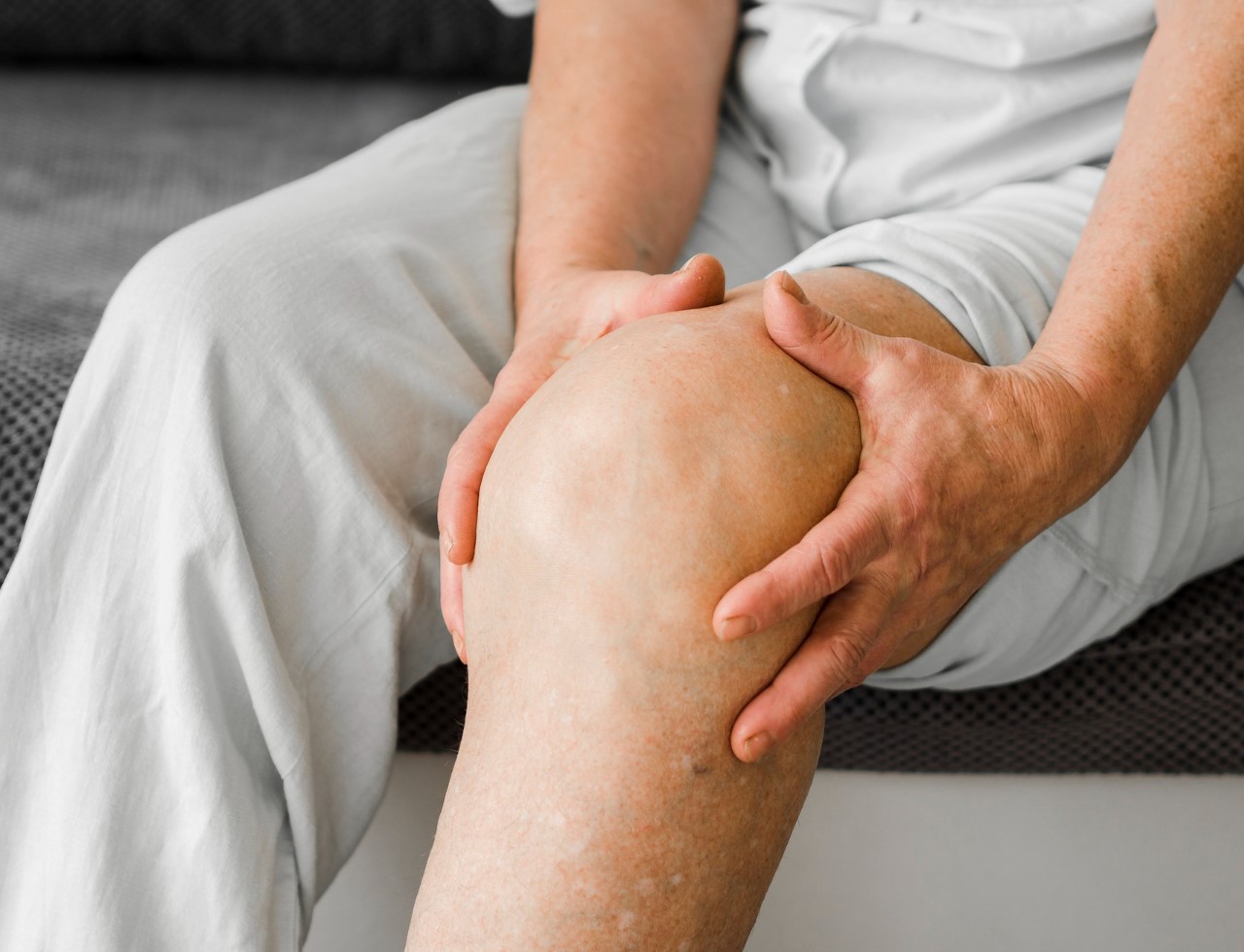
ACL tears arise from acute mechanical overload of the ligament. The following factors increase susceptibility:
- Participation in pivoting sports: football, basketball, badminton, martial arts, skiing
- Female sex: biomechanical, hormonal, and neuromuscular factors confer higher relative risk
- Prior ACL injury: recurrence risk is up to 15x higher following initial reconstruction
- Quadriceps-dominant movement patterns with relative hamstring weakness
- Hard or artificial playing surfaces that increase torsional knee loading
Signs & Symptoms
• Audible or palpable ‘pop’ at the moment of injury
• Rapid-onset knee swelling (haemarthrosis) — typically within 2–6 hours
• Acute pain that may subside, followed by a persistent sense of instability
• Difficulty or reluctance to bear full weight on the affected limb
• Giving way or buckling of the knee during weight-bearing or directional change
• Restricted range of motion secondary to swelling and guarding
ACL vs Other Knee Ligaments
ACL
Centre of knee (diagonal)
Rotational control; prevents anterior tibial shift
Pivoting, sudden stop, awkward landing
PCL
Centre of knee (posterior)
Prevents posterior tibial shift
Direct blow to front of tibia; dashboard injury
MCL
Inner (medial) knee
Resists valgus (inward) stress
Blow to outer knee; valgus collapse
LCL
Outer (lateral) knee
Resists varus (outward) stress
Blow to inner knee; varus force
Diagnosis of Knee Arthritis
-

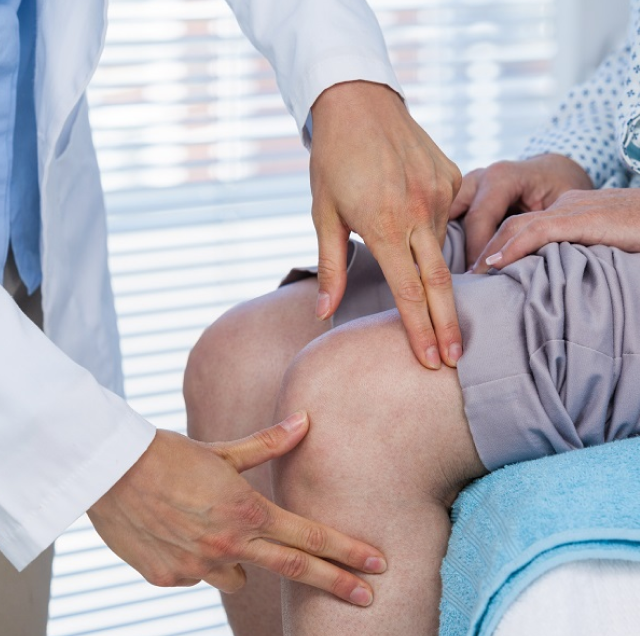
Clinical examination
Clinical examination for ACL injury typically includes the Lachman Test, which is considered the gold standard for assessing ACL integrity with a sensitivity of more than 85 percent. The Anterior Drawer Test evaluates anterior tibial translation at 90 degrees of knee flexion, while the Pivot Shift Test assesses rotational instability and is highly specific for detecting ACL disruption.
-
Imaging tests
Imaging is used to support clinical findings and guide management. An X-ray is performed to exclude bony avulsion or associated fractures at the ACL insertion site. An MRI is the key diagnostic tool for confirming the grade of the tear and identifying associated injuries such as meniscal tears, bone bruising, and chondral damage, which can be present in up to 60 percent of acute ACL injuries.

Minimally Invasive Treatments We Use To Treat
Knee Arthritis
An injection that alleviates pain and inflammation associated with musculoskeletal conditions such as arthritis, bursitis, tendinitis and joint pain.
Targeted pain relief in the administered area and reduced inflammation.
Little to no recovery time. Patients may resume their normal activities promptly.
Works well in chronically injured tissues which may have very slow recovery
Anti-inflammatory and regenerative effects
Little or no downtime and patients can walk out after the 30 min procedure
Restores the physiologic viscoelasticity in the synovial fluid (SF) in the absence of inflammation
Nonoperative and FDA-approved treatment for arthritis of the knee in Singapore
Results usually last for 2 - 3 months. In some cases, the relief can last for 6 - 12 months
Treats flare-ups of OA pain and swelling with fluid buildup in the knee
Reduces inflammation in the joint
Can quickly relieve these symptoms, usually within 1-3 days
Uses low-level light to stimulate healing. Does not cause your tissues to heat up. LLLT is used to treat various musculoskeletal conditions, reduce inflammation, and promote wound healing.
Painless, Quick, Effective, and No downtime. Patients can return to their normal activities immediately after an LLLT session.
ACL Injury Prevention
Structured neuromuscular prevention programmes have demonstrated up to 50% reduction in ACL injury rates (e.g., FIFA 11+, PEP programme). Key components include:
• Dynamic neuromuscular warm-up incorporating strength, balance, and landing mechanics (FIFA 11+)
• Hip and hamstring strengthening — reduces quadriceps dominance and valgus knee loading
• Landing mechanics training: soft, knee-bent landing technique
• Core stability training to reduce trunk sway and knee valgus under fatigue
When to See a Sports Medicine Specialist
A consultation at MSMC is recommended for any of the following:
• An audible pop or snap at the time of knee injury
• Rapid or significant knee swelling
• Instability, buckling, or giving way of the knee
• Inability to bear full weight
• Persistent knee pain limiting daily activities or sport participation
Dr Chiam Tut Fu
(詹达夫医生)
MBBS (Singapore)
MSS (Sports Medicine) (USA)
MMed (OM) (Singapore)
GDOM (Singapore)
DWD (Singapore)
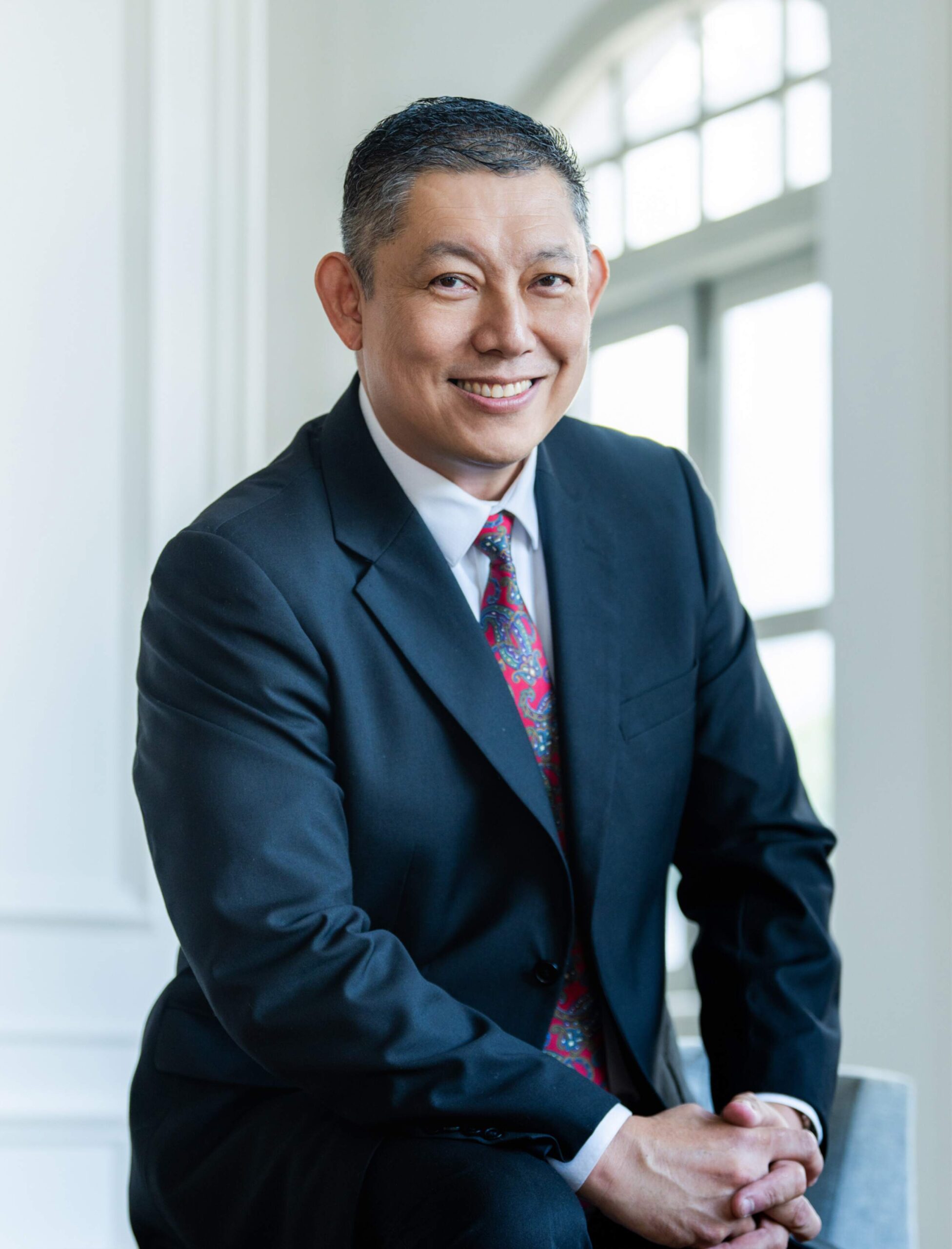
Dr Chiam is a MOH accredited Specialist in Sports Medicine and has practised medicine for over 30 years.
Dr Chiam Tut Fu obtained his MBBS from National University of Singapore in 1990. He went on to obtain his Masters in Sports Science (Sports Medicine) from the United States Sports Academy, graduating as the year’s outstanding student, and Masters of Medicine (Occupational Medicine) from the National University of Singapore.
Key Interests:
- Non-surgical treatment of sports injuries
- Non-surgical treatment of degenerative conditions
- Nutraceuticals for healthy ageing and exercise performance
Need Advice On Your Condition?
Do you have an enquiry about your sports injury or body joint condition? Please leave us a message and we will be in touch with you shortly.

Mon to Fri: 9:00am – 1:00pm
2:00pm – 6:00pm
Sat: 9:00am – 1:00pm
Sun & PH: Closed


Singapore Paincare Center
Paragon Medical Centre, #18-03
290 Orchard Road, Singapore 238859
Frequently Asked Questions
Can an ACL tear heal without surgery?

Partial ACL tears (Grade I–II) typically respond well to non-surgical management. Complete tears (Grade III) may also be managed without surgery in carefully selected patients with lower functional demands. Dr. Chiam assesses each case individually based on activity level, functional goals, and clinical findings.
What is the difference between an ACL and MCL injury?
The ACL runs diagonally through the centre of the knee and controls rotational stability. The MCL stabilises the inner knee against valgus (inward) stress. ACL tears typically produce a pop, rapid swelling, and rotational instability. MCL injuries present with medial knee pain and tenderness. Both can occur simultaneously.
What is PRP therapy for ACL injuries?
Platelet-Rich Plasma (PRP) therapy concentrates growth factors from the patient’s own blood and injects them into the injured tissue to support natural repair. Its role in ACL management continues to be evaluated. Suitability is assessed on a case-by-case basis by Dr. Chiam.
Does MSMC offer INDIBA therapy for ACL injuries?
Yes. MSMC has the INDIBA Activ CT9 Radio-Frequency therapy system, which may support tissue recovery and pain management as part of the rehabilitation programme. Suitability is assessed individually.
When should I see a sports medicine specialist after a knee injury?
Prompt assessment is recommended if there is a pop at the time of injury, rapid or significant swelling, instability, or difficulty bearing full weight. Early diagnosis enables timely management and reduces the risk of secondary meniscal damage.