


Hamstring Strain

Dr Chiam Tut Fu


MBBS (Singapore)
MSS (Sports Medicine) (USA)
MMed (OM) (Singapore)
GDOM (Singapore)
DWD (Singapore)
Overview
A sudden pulling sensation at the back of the thigh, followed by sharp pain during a sprint, lunge, or sudden change of direction, is one of the most common reasons athletes and active individuals in Singapore seek sports medicine care. This is typically the hallmark of a hamstring strain — an injury to one or more of the three muscles running along the back of the thigh.
Hamstring strains are especially common among runners, footballers, and pickleball players, and they are notorious for recurring if not properly assessed and rehabilitated. In Singapore, hamstring strain treatment focuses on accurate grading of the injury, addressing the underlying biomechanical contributors, and following a structured return-to-sport protocol to reduce the risk of re-injury.

What is a Hamstring Strain?
The hamstrings are a group of three muscles — the biceps femoris, semitendinosus, and semimembranosus — that run from the pelvis to below the knee. They work to bend the knee and extend the hip, and are placed under particularly high load during the deceleration phase of sprinting, as well as during lunging, kicking, and rapid direction changes.
A hamstring strain occurs when these muscle fibres are stretched beyond their capacity or torn, either through a forceful eccentric contraction (as the muscle lengthens while under load, such as during sprinting) or a sudden overstretch, as seen in high kicks or split-position lunges. Because the hamstrings cross both the hip and knee joints, they are particularly vulnerable to strain during explosive, high-speed movement.
Hamstring strains are typically classified into three grades based on severity, which helps guide treatment planning and recovery expectations:
- Grade I (Mild): Minor overstretching or micro-tearing of muscle fibres. Mild discomfort during activity, minimal loss of strength or range of motion, and little to no swelling.
- Grade II (Moderate): Partial tearing of muscle fibres. Noticeable pain, swelling, bruising, and some loss of strength and range of motion. Walking may be uncomfortable.
- Grade III (Severe): A complete or near-complete tear of the muscle or its tendon. Significant pain, swelling, and bruising, with substantial loss of function. A palpable gap in the muscle may sometimes be felt. This grade may require a longer, more structured rehabilitation period.

Causes & Risk Factors
Hamstring strains typically result from a combination of the following factors:
- Sprinting and explosive acceleration: The terminal swing phase of sprinting places the hamstrings under maximum eccentric load, making this the most common mechanism of injury.
- Inadequate warm-up: Muscles that have not been properly prepared for high-intensity activity are more vulnerable to strain.
- Muscle fatigue: Fatigued muscles absorb load less efficiently, increasing strain risk, particularly in the later stages of a match or training session.
- Strength imbalance: A relative weakness in the hamstrings compared to the quadriceps, or side-to-side asymmetry, is a recognised risk factor.
- Poor flexibility: Reduced hamstring or hip flexor flexibility can limit the muscle’s tolerance to rapid lengthening.
- Previous hamstring injury: Individuals with a prior hamstring strain are at significantly higher risk of re-injury, particularly if rehabilitation was incomplete.
- Sport-specific demands: Sports involving sprinting, sudden acceleration, or kicking — such as football, track and field, and increasingly, pickleball in Singapore’s active adult population — carry a higher incidence of hamstring strains.
Signs & Symptoms
Common symptoms of a hamstring strain include:
- A sudden, sharp pain at the back of the thigh, often during sprinting, lunging, or kicking
- Swelling and bruising over the following hours to days
- Tenderness to touch along the back of the thigh
- Weakness when bending the knee or extending the hip
- A pulling or tightening sensation with stretching or continued activity
- In more severe cases, difficulty walking or bearing weight
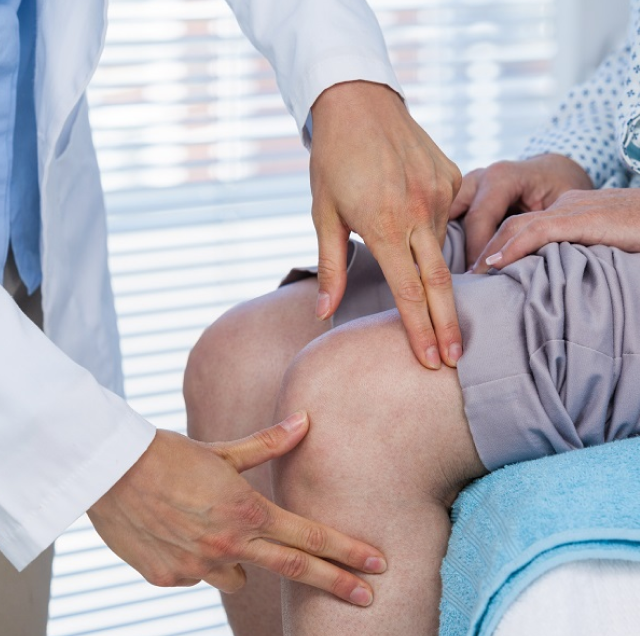
Diagnosis of Hamstring Strains
-
Medical History
The doctor will ask about the mechanism of injury, the specific movement that triggered symptoms, and any history of previous hamstring injuries, as this significantly affects risk of recurrence.
-
Physical Examination
The doctor will assess the location and severity of tenderness, muscle strength, flexibility, and range of motion to help determine the grade of the strain.
-
Imaging tests
Ultrasound is commonly used to assess the extent of muscle fibre disruption and to detect any associated haematoma. MRI may be recommended for more severe injuries, or where the diagnosis is unclear, to accurately map the location and size of the tear.

Minimally Invasive Treatments We Use To Treat
Hamstring Strains
Works well in moderate-to-severe strains and chronically injured tissue with slow natural recovery
Anti-inflammatory and regenerative effects that support tissue healing
Little or no downtime; patients can typically walk out after the 30-minute procedure
An injection that alleviates pain and inflammation associated with musculoskeletal conditions such as tendinitis and muscle strain
Targeted pain relief in the administered area and reduced inflammation
Little to no recovery time; patients may resume normal activities promptly
Addresses persistent inflammation and supports soft tissue recovery
Reduces inflammation and may support blood flow to the healing area
Can offer relief within a short course of sessions
Used to stimulate healing in soft tissue injuries including muscle strains
Painless, quick, and effective, with no downtime
Patients can return to normal activities immediately after a session
Recovery Timeline and Return-to-Sport Protocol
Recovery time for a hamstring strain depends largely on the grade of injury:
- Grade I strains typically recover within one to three weeks with appropriate rest and rehabilitation.
- Grade II strains generally take four to eight weeks, depending on the extent of the tear and adherence to a structured rehabilitation programme.
- Grade III strains may require several months of rehabilitation, and in select cases, further medical evaluation to determine the most appropriate treatment pathway.
Returning to sport too early is one of the leading causes of hamstring re-injury. A sports medicine perspective on return-to-sport typically involves a progressive protocol: pain-free range of motion and strength first, followed by controlled eccentric loading, then progression to running, sprinting drills, and finally sport-specific movements — only once each stage is achieved without symptom recurrence.
How to Prevent Hamstring Strains
Preventive strategies include:
- A thorough, sport-specific warm-up before high-intensity activity, particularly sprinting or kicking sports
- Regular eccentric strengthening exercises for the hamstrings, such as Nordic hamstring curls
- Maintaining balanced strength between the hamstrings and quadriceps
- Addressing any residual weakness or asymmetry following a previous hamstring injury before returning to full training
- Gradual progression in training intensity, particularly sprint volume, rather than sudden increases
- Adequate recovery between high-intensity training sessions, an important consideration in Singapore’s humid climate where fatigue can accumulate more quickly
When to See a Sports Medicine Specialist
Medical evaluation is recommended if hamstring pain is severe, if there is significant swelling, bruising, or difficulty walking, or if symptoms persist despite rest and initial self-care. Athletes with a history of previous hamstring strains, or those aiming to return to competitive sport, may also benefit from a comprehensive assessment to accurately grade the injury and guide a structured, evidence-based rehabilitation and return-to-sport plan. Early diagnosis and appropriate management can help reduce the risk of chronic symptoms or recurrent injury.
Hamstring strains are frequently associated with broader muscle sprains and tears, and patients with related lower limb overuse injuries may also wish to read more about tendon injuries or stress fractures.

Dr Chiam Tut Fu
(詹达夫医生)
MBBS (Singapore)
MSS (Sports Medicine) (USA)
MMed (OM) (Singapore)
GDOM (Singapore)
DWD (Singapore)
Dr Chiam is a MOH accredited Specialist in Sports Medicine and has practised medicine for over 30 years.
Dr Chiam Tut Fu obtained his MBBS from National University of Singapore in 1990. He went on to obtain his Masters in Sports Science (Sports Medicine) from the United States Sports Academy, graduating as the year’s outstanding student, and Masters of Medicine (Occupational Medicine) from the National University of Singapore.
Key Interests:
- Non-surgical treatment of sports injuries
- Non-surgical treatment of degenerative conditions
- Nutraceuticals for healthy ageing and exercise performance
Need Advice On Your Condition?
Do you have an enquiry about your sports injury or body joint condition? Please leave us a message and we will be in touch with you shortly.

Mon to Fri: 9:00am – 1:00pm
2:00pm – 6:00pm
Sat: 9:00am – 1:00pm
Sun & PH: Closed


Singapore Paincare Center
Paragon Medical Centre, #18-03
290 Orchard Road, Singapore 238859
Frequently Asked Questions
Can a hamstring strain heal on its own?

Mild (Grade I) hamstring strains may improve with rest, activity modification, and self-care measures. However, moderate to severe strains, or pain that persists beyond a few days, should be evaluated by a sports medicine specialist to confirm the grade of injury and guide appropriate rehabilitation.
How long does it take to recover from a hamstring strain?
Recovery time depends on the severity of the strain. Grade I strains typically recover within one to three weeks, Grade II strains within four to eight weeks, and Grade III strains may take several months with structured rehabilitation.
Can I keep exercising with a hamstring strain?
It is generally advised to avoid activities that reproduce pain, particularly sprinting and high-intensity movement, until the muscle has healed sufficiently. Gradual, guided return to activity following a structured rehabilitation programme helps reduce the risk of re-injury.
Why do hamstring strains keep coming back?
Hamstring strains have a high rate of recurrence, often because rehabilitation is stopped too early, underlying strength or flexibility deficits are not fully addressed, or athletes return to sprinting and sport before the muscle has regained adequate strength and loading capacity.
What happens if a hamstring strain is not properly treated?
Untreated or incompletely rehabilitated hamstring strains can lead to chronic tightness, recurrent strains, and in some cases, prolonged weakness that affects sporting performance and daily activity.
updated 26 Aug 2026