


Runner's Knee
Treatment In Singapore
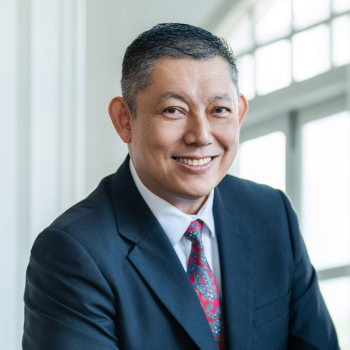
Dr Chiam Tut Fu

MBBS (Singapore)
MSS (Sports Medicine) (USA)
MMed (OM) (Singapore)
GDOM (Singapore)
DWD (Singapore)
Overview
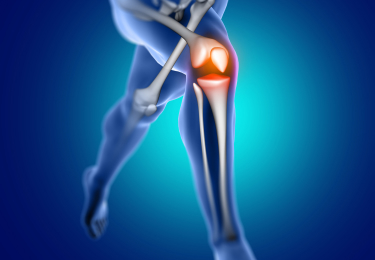
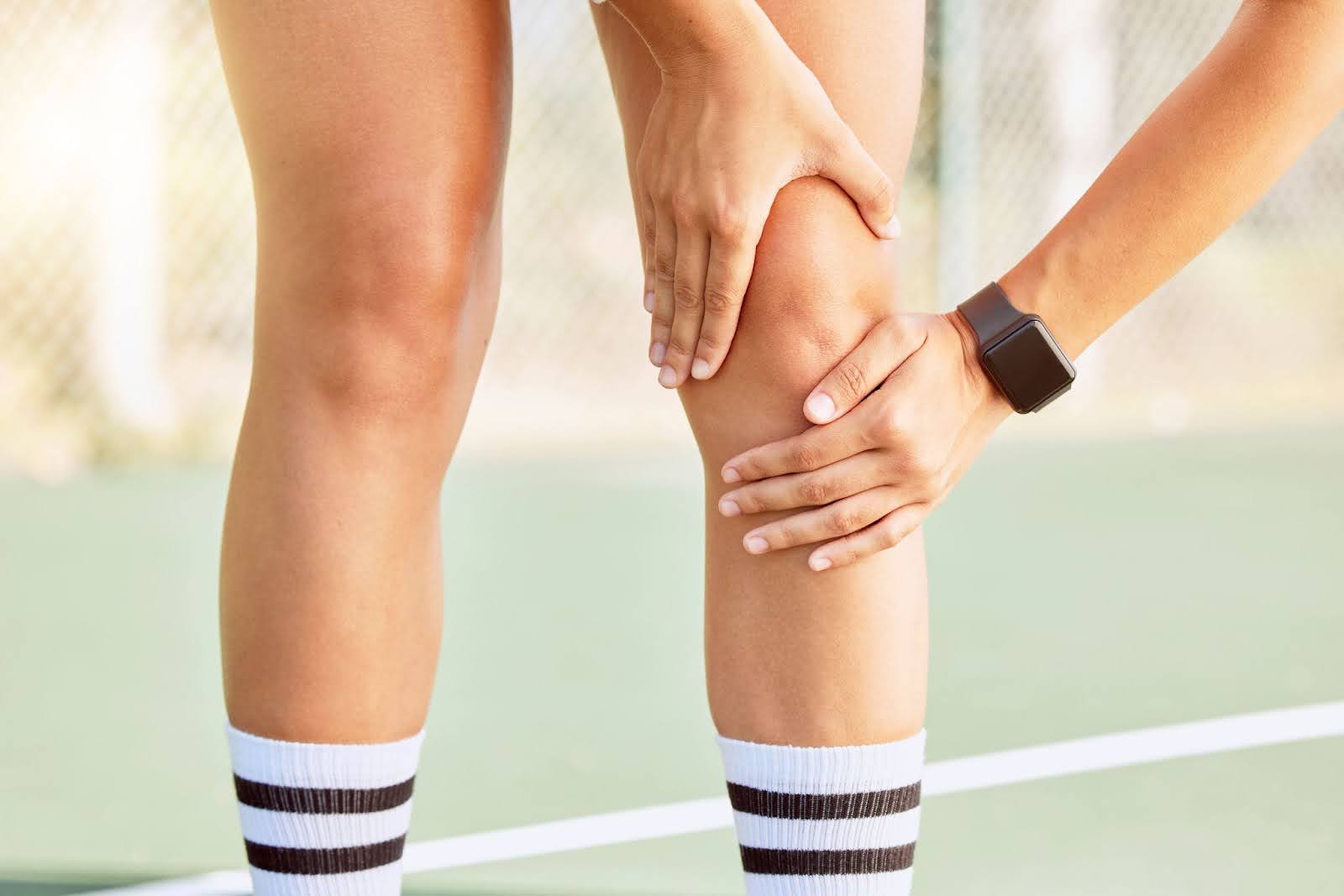
Runner’s knee is a common cause of knee pain among runners, athletes, and physically active individuals. It often presents as discomfort around the kneecap during running, climbing stairs, squatting, or after prolonged sitting.
In Singapore, runner’s knee treatment focuses on identifying the underlying cause of pain and using targeted, non-surgical care to restore knee function, reduce symptoms, and support a safe return to activity.

What Is Runner’s Knee?
Runner’s knee, also known as patellofemoral pain syndrome (PFPS), refers to pain caused by abnormal stress between the kneecap (patella) and the thigh bone. Rather than being a single injury, it is a functional condition often linked to muscle imbalance, poor biomechanics, or repetitive overuse.
The condition is commonly seen in runners but can also affect cyclists, gym-goers, and individuals whose daily activities place repeated load on the knee joint.
Causes of Runner's Knee
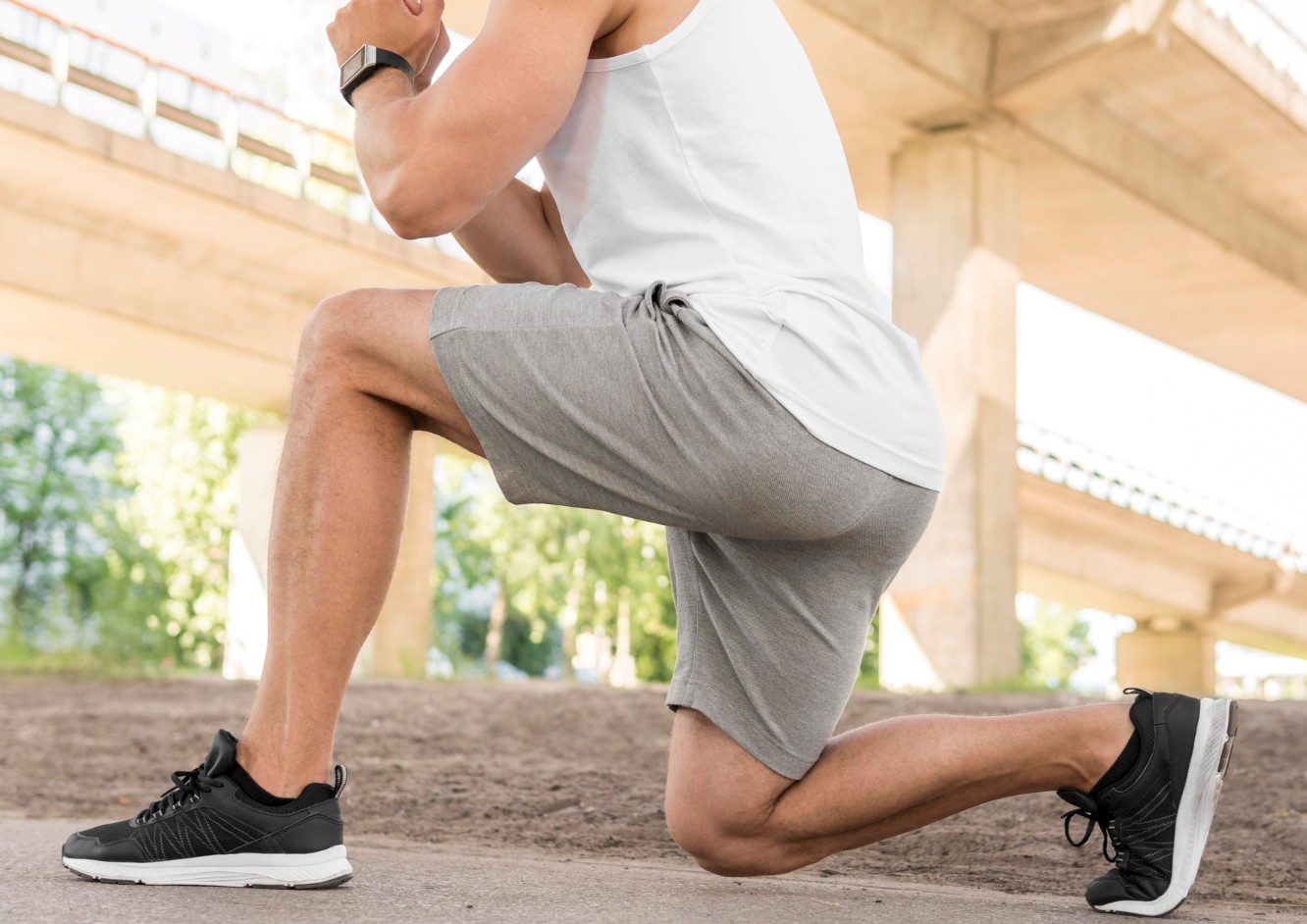
- Overuse: Repeated bending of the knee can lead to irritation under the kneecap and cause pain.
- Direct trauma to the kneecap: A fall or blow to the kneecap can lead to Runner’s Knee.
- Misalignment: If the bones from your hips to your ankles are not aligned properly, this can distribute your weight unevenly throughout your knee, causing pain.
- Problems with the feet: Flat feet, also known as fallen arches, can contribute to Runner’s Knee by affecting the alignment of your legs.
Symptoms of Runner's Knee
The symptoms of Runner’s Knee include the following:
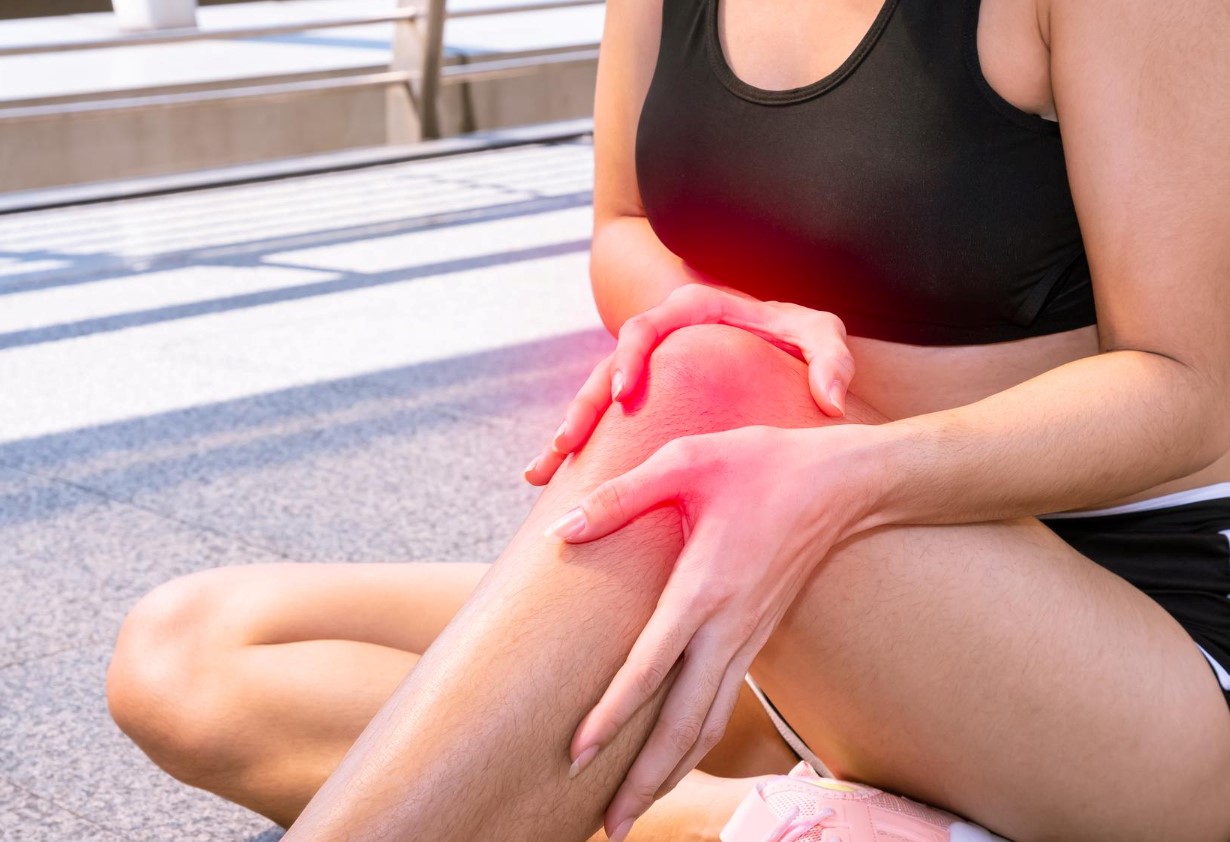
- Pain behind or around the kneecap
- Pain when bending the knee
- Pain that’s worsened by prolonged sitting and downhill running
- Swelling
- Popping or grinding sensation in the knee
Diagnosis of Runner's Knee
-

Physical examination
Your doctor will examine your knee, looking for tenderness, swelling, and alignment issues. They may also ask you to squat, walk, jump, or do other movements to see what causes pain.
-
Imaging tests
X-rays can show if your kneecap is misaligned and if you have arthritis. An MRI can provide a more detailed look at the soft tissues of your knee and can help detect a tear in the cartilage.

Common Treatments for Runner’s Knee
Treatment for runner’s knee typically begins with conservative measures aimed at reducing pain and correcting contributing factors. Common treatment options include activity modification, physiotherapy to strengthen supporting muscles, pain and inflammation management, supportive taping or bracing, and correction of biomechanical issues such as footwear or running technique.
Many patients experience significant improvement with these non-invasive approaches when followed consistently.
When Conservative Treatment Is Not Enough
While conservative treatment is effective for many individuals, some patients may continue to experience symptoms due to persistent inflammation, tendon overload, or cartilage irritation around the kneecap. In such cases, further medical evaluation is important to determine whether additional treatment options may be appropriate. For selected patients with ongoing runner’s knee symptoms despite appropriate rehabilitation, our clinic offers minimally invasive, non-surgical treatments as part of a comprehensive sports medicine care plan. These treatments are considered only after careful assessment and are always combined with rehabilitation to address the underlying cause of knee pain.
Minimally Invasive Treatments We Use To Treat
Runner's Knee
An injection that alleviates pain and inflammation associated with musculoskeletal conditions such as arthritis, bursitis, tendinitis and joint pain.
Targeted pain relief in the administered area and reduced inflammation.
Little to no recovery time. Patients may resume their normal activities promptly.
Works well in chronically injured tissues which may have very slow recovery
Anti-inflammatory and regenerative effects
Little or no downtime and patients can walk out after the 30 min procedure
Restores the physiologic viscoelasticity in the synovial fluid (SF) in the absence of inflammation
Nonoperative and FDA-approved treatment for arthritis of the knee
Results usually last for 2 - 3 months. In some cases, the relief can last for 6 - 12 months
Treats flare-ups of OA pain and swelling with fluid buildup in the knee
Reduces inflammation in the joint
Can quickly relieve these symptoms, usually within 1-3 days
Uses low-level light to stimulate healing. Does not cause your tissues to heat up. LLLT is used to treat various musculoskeletal conditions, reduce inflammation, and promote wound healing.
Painless, Quick, Effective, and No downtime. Patients can return to their normal activities immediately after an LLLT session.
How Long Does Runner’s Knee Take to Heal?
Recovery time varies depending on the severity of the condition, individual biomechanics, and adherence to rehabilitation. Many patients experience improvement within four to eight weeks with appropriate treatment, while more complex cases may require longer-term rehabilitation.
How to Prevent Runner’s Knee
Preventive strategies include:
- Gradually increasing training intensity and mileage
- Maintaining good strength and flexibility in the hips and legs
- Wearing appropriate running footwear
- Addressing biomechanical issues early
- Allowing adequate rest and recovery between training sessions
When Should You See a Doctor?
Medical evaluation is recommended if knee pain persists despite rest, worsens with activity, or interferes with daily life or sporting performance. Early diagnosis and treatment can help prevent chronic symptoms and prolonged downtime.
Dr Chiam Tut Fu
(詹达夫医生)
MBBS (Singapore)
MSS (Sports Medicine) (USA)
MMed (OM) (Singapore)
GDOM (Singapore)
DWD (Singapore)
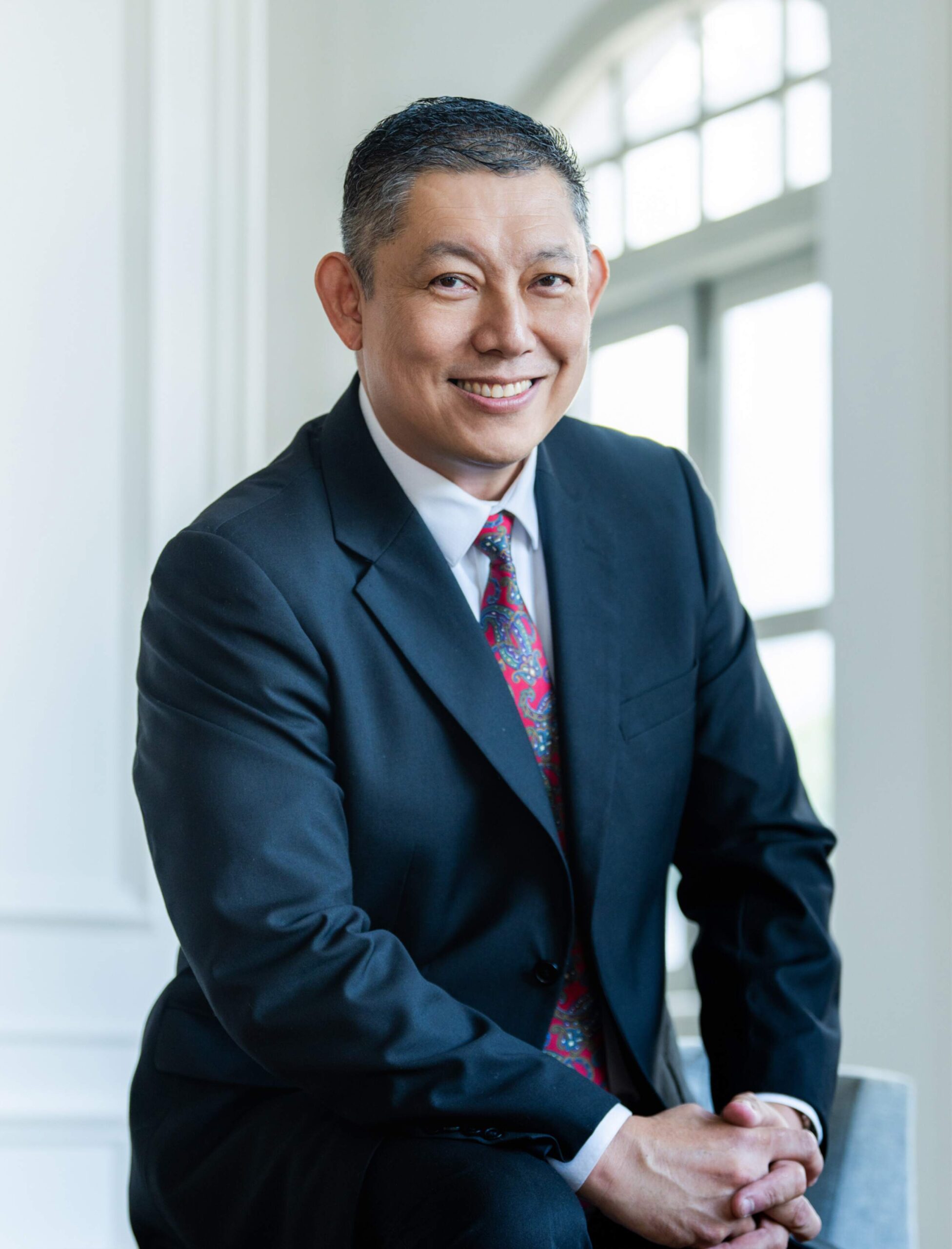
Dr Chiam is a MOH accredited Specialist in Sports Medicine and has practised medicine for over 30 years.
Dr Chiam Tut Fu obtained his MBBS from National University of Singapore in 1990. He went on to obtain his Masters in Sports Science (Sports Medicine) from the United States Sports Academy, graduating as the year’s outstanding student, and Masters of Medicine (Occupational Medicine) from the National University of Singapore.
Key Interests:
- Non-surgical treatment of sports injuries
- Non-surgical treatment of degenerative conditions
- Nutraceuticals for healthy ageing and exercise performance
Need Advice On Your Condition?
Do you have an enquiry about your sports injury or body joint condition? Please leave us a message and we will be in touch with you shortly.

Mon to Fri: 9:00am – 1:00pm
2:00pm – 6:00pm
Sat: 9:00am – 1:00pm
Sun & PH: Closed


Singapore Paincare Center
Paragon Medical Centre, #18-03
290 Orchard Road, Singapore 238859
Partnered Programs & Insurance Plans
For Singaporeans, Singapore Permanent Residents and Foreigners.
Please speak to our friendly clinic staff about using your insurance plans.

Frequently Asked Questions
Can Runner's Knee heal on its own?

Mild cases of Runner’s Knee may improve with rest and self-care measures. However, persistent or severe pain should be evaluated by a healthcare professional.
How long does it take to recover from Runner's Knee?
Recovery time varies depending on the severity of the injury and the individual’s overall health. It can range from a few weeks to several months.
Can you still run with Runner's Knee?
It’s generally advised to avoid activities that cause pain. Once treatment has started and pain has decreased, you can gradually return to running.
What happens if Runner's Knee is not treated?
Untreated Runner’s Knee can lead to chronic knee pain and possible damage to the knee joint.
How can I prevent Runner's Knee?
Prevention strategies include regular strength training and flexibility exercises, wearing appropriate footwear, and avoiding overuse of the knee.