


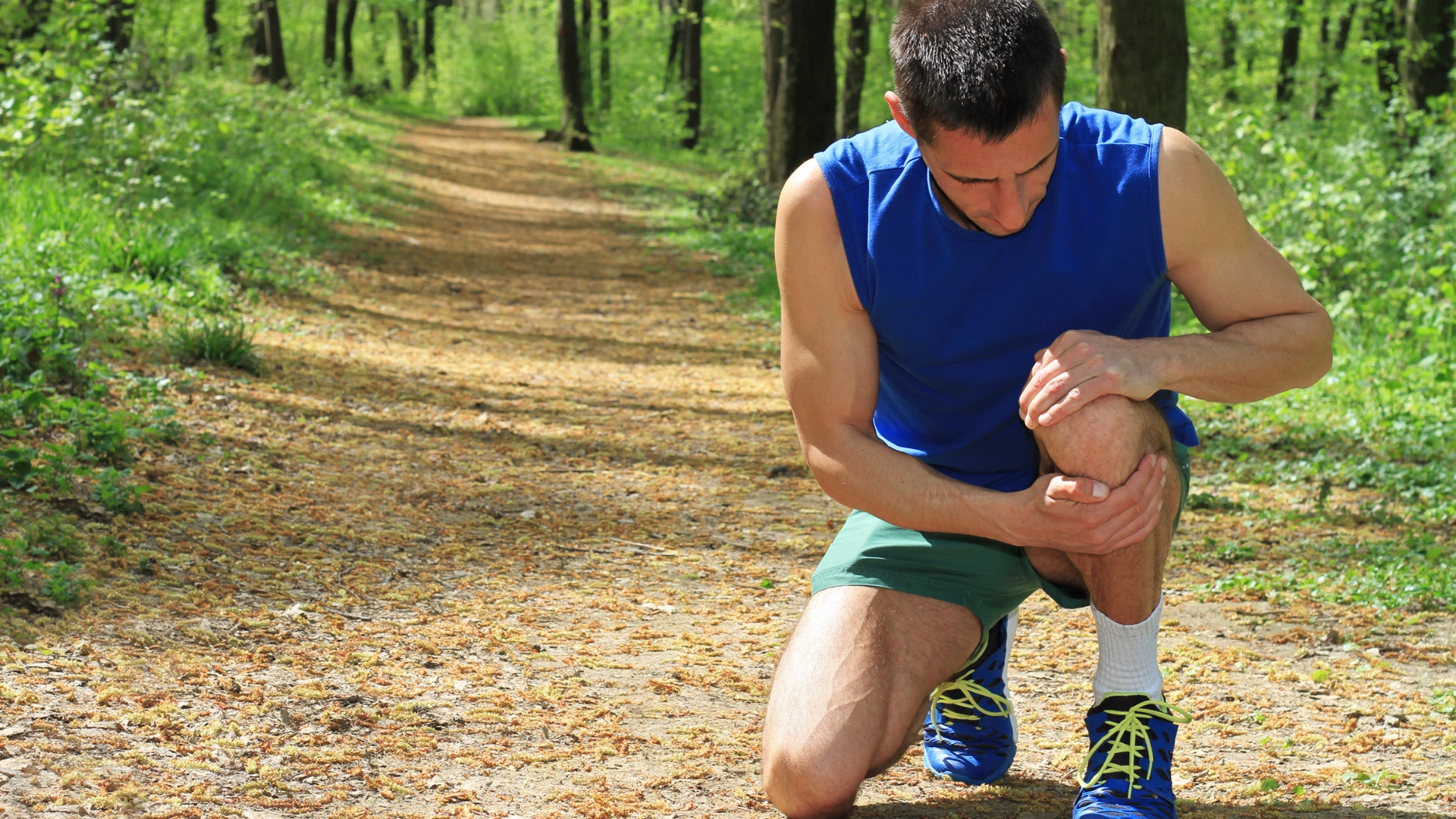
Runner’s knee is one of the most common reasons runners seek medical advice for knee pain. It often starts quietly, with a dull ache around or behind the kneecap that appears after a run or when going downstairs. For many people, the frustration comes from not knowing what they did “wrong”, especially when there was no clear injury. The good news is that runner’s knee is often preventable when you understand how it develops and how to reduce unnecessary stress on the knee.
Understanding runner’s knee in simple terms
Runner’s knee, also known as patellofemoral pain, is not usually caused by damage inside the knee. In most cases, it reflects irritation from repeated load on the kneecap and surrounding tissues. Running places significant force through the knee with every step, and when that load exceeds what the body is prepared for, pain can develop. Prevention is therefore less about protecting the knee itself and more about managing how force travels through the hip, thigh, and knee during running.
Manage training load carefully
One of the most important ways to prevent runner’s knee is to avoid sudden changes in training. Increasing distance, speed, or hill work too quickly is a common trigger for knee pain. The knee generally tolerates load well when progression is gradual, allowing muscles and tendons time to adapt. Even experienced runners can develop symptoms after returning from a break or adding intensity too fast. Keeping weekly increases modest and allowing recovery days between harder sessions helps reduce excessive stress on the knee.
Build strength around the hip and thigh
Strong and well-coordinated muscles play a key role in keeping the kneecap moving smoothly during running. Weakness or poor control in the hip and thigh can cause the knee to experience higher pressure with each step. In clinical practice, runner’s knee is often associated with reduced hip strength rather than a problem isolated to the knee itself. Regular strengthening exercises targeting the hips, quadriceps, and hamstrings can improve load distribution and reduce irritation around the kneecap over time.
Pay attention to running mechanics
Running form does not need to be “perfect” to stay pain-free, but certain patterns can increase knee stress. Overstriding, excessive inward knee movement, or poor control during landing can all contribute to symptoms. Many runners are unaware of these patterns until pain appears. Simple adjustments guided by a professional, combined with strength work, are often more effective than trying to consciously change form alone.
Choose footwear thoughtfully
Shoes do not cause runner’s knee on their own, but inappropriate footwear can contribute to overload. Shoes that are overly worn, unsuited to your running style, or changed abruptly can alter how force is absorbed. It is generally helpful to choose footwear that feels comfortable, provides adequate support for your running volume, and is replaced regularly as cushioning wears down. Sudden changes to a very different shoe type should be introduced gradually.
Do not ignore early warning signs
Mild knee discomfort after runs is often the first signal that the knee is struggling with current load. Pushing through pain in the hope that it will settle can allow irritation to build. Early management, such as reducing mileage slightly, spacing out harder runs, and addressing strength deficits, often prevents symptoms from becoming persistent. Pain that worsens, appears earlier in a run, or affects daily activities should be assessed rather than ignored.
When a runner presents with early knee pain, the focus is rarely on the kneecap alone. In consultation, a sports medicine doctor looks at training history, recent changes, movement control, and recovery patterns. Very often, the knee is reacting to a mismatch between training demands and the body’s current capacity. Prevention therefore centres on restoring that balance, not stopping running altogether.
Key takeaways on preventing runner’s knee
Runner’s knee is commonly a load-related problem rather than a structural injury. Gradual training progression, good lower limb strength, appropriate footwear, and early response to symptoms all play an important role in prevention. Most runners can continue running safely when these factors are addressed early and consistently.
Frequently asked questions
Can runner’s knee be completely prevented?
Runner’s knee cannot always be fully prevented, but the risk can be significantly reduced. Most cases develop when training load increases faster than the body can adapt, so sensible progression and strength work are key protective factors.
Should I stop running to prevent runner’s knee?
Stopping running is rarely necessary for prevention. Modifying training, reducing mileage temporarily, and addressing contributing factors usually allows runners to continue while protecting the knee.
Does stretching help prevent runner’s knee?
Stretching alone is unlikely to prevent runner’s knee. While flexibility has a role, strength and load management are generally more important in reducing knee stress during running.
How often should runners do strength training for knee health?
Strength training two to three times per week is commonly sufficient for most runners. Consistency matters more than intensity, especially when exercises are targeted to the hips and thighs.
When should I see a doctor about knee pain from running?
If knee pain persists despite rest and simple adjustments, worsens over time, or interferes with daily activities, a medical assessment is advisable to guide appropriate management.
If you are experiencing early knee discomfort or want personalised advice on preventing runner’s knee, a sports medicine assessment can help identify individual risk factors and guide safe training. Early input often prevents minor symptoms from becoming long-term problems.


