


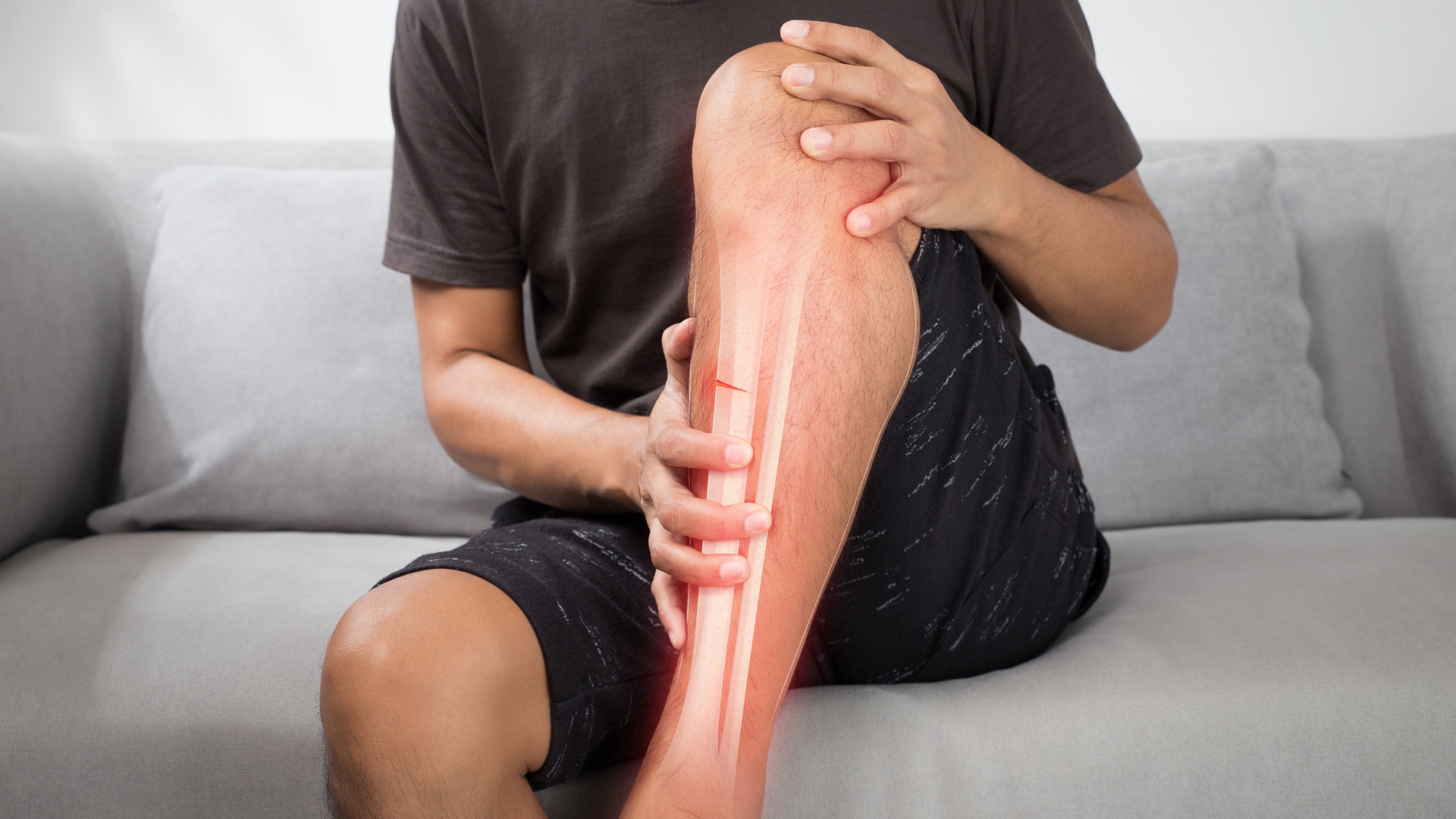
Many people develop bone pain gradually while training, exercising, or working long hours on their feet. At first, the discomfort is easy to ignore. It may only appear during activity and settle with rest, leading many to assume it is a simple muscle strain. When pain keeps returning in the same spot, however, it may signal a stress fracture.
Stress fractures are common in active individuals and are one of the more frequently missed causes of persistent lower limb pain. With early assessment and proper management, they usually heal well and do not require surgery.
What is a stress fracture?
A stress fracture is a small crack or area of structural weakness in a bone caused by repeated loading over time. Bone is a living tissue that constantly repairs itself. When physical stress increases faster than the bone can adapt, tiny areas of damage accumulate and eventually form a fracture.
Unlike a traumatic fracture, a stress fracture does not happen from a fall or accident. It develops gradually and can worsen if activity continues without enough recovery.
Where do stress fractures commonly occur?
Stress fractures tend to affect bones that repeatedly absorb impact. In sports and active lifestyles, they are most often seen in the foot, shin, and hip region.
Common sites include the metatarsal bones in the foot, the tibia (shin bone), the calcaneus (heel bone), and the femur. The location often reflects the type of activity performed. Runners frequently develop stress fractures in the foot or shin, while those involved in high-load training or long periods of standing may experience them higher up the leg or pelvis.
Why do stress fractures develop?
Stress fractures usually result from a mismatch between load and recovery. This often occurs after a sudden increase in training intensity, distance, or frequency. Returning to exercise after a break, changing running surfaces, or wearing unsupportive footwear can also increase stress on the bones.
Other contributing factors may include reduced bone density, inadequate nutrition, hormonal influences, and biomechanical issues such as altered gait or muscle imbalance. In clinical practice, stress fractures often arise from several of these factors combined rather than a single cause.
Common symptoms of a stress fracture
Stress fracture pain typically starts subtly. Early on, pain may only be felt during exercise and disappear shortly after stopping. As the injury progresses, pain can appear earlier during activity, linger after exercise, or occur even during everyday walking.
The pain is usually localised to a specific point on the bone and may feel deep or sharp. Pressing directly over the area often reproduces the pain. Swelling may be present, but bruising is uncommon.
How stress fractures are diagnosed
Diagnosis begins with a detailed clinical assessment. A sports and musculoskeletal doctor will take into account recent changes in activity, training patterns, work demands, and overall health. Examination focuses on pinpoint tenderness and how pain responds to movement and load.
X-rays are often performed but may appear normal in the early stages. If symptoms and examination findings suggest a stress fracture despite normal X-rays, further imaging such as MRI may be recommended. MRI can detect stress injuries earlier and help determine severity, which guides treatment decisions.
Treatment and recovery
Most stress fractures heal with conservative treatment when identified early. The main goal is to reduce stress on the affected bone while maintaining overall fitness where possible.
This usually involves modifying or temporarily stopping high-impact activity. Complete rest is not always necessary, and many patients can continue with low-impact exercise under guidance. Pain relief focuses on allowing healing rather than masking symptoms.
As pain improves, activity is reintroduced gradually. Rehabilitation addresses strength, movement patterns, and training errors to reduce the risk of recurrence. Healing time varies depending on the bone involved and the severity of the injury, but many stress fractures recover within several weeks.
In sports and musculoskeletal practice, stress fractures are often seen in patients who are motivated and active. Many push through pain because they do not want to lose fitness or disrupt training plans. From a clinical perspective, early recognition is key. When stress injuries are identified early, recovery is usually straightforward, and time away from sport is shorter. Clear explanation and a structured return-to-activity plan help patients regain confidence and reduce anxiety about reinjury.
Preventing stress fractures
Preventing stress fractures involves allowing the body time to adapt. Gradual progression in training, adequate recovery days, appropriate footwear, and attention to nutrition all support bone health. Persistent, localised pain should not be ignored. Pain that repeatedly returns in the same spot is the body’s way of signalling overload and deserves proper assessment.
When should you seek medical advice?
You should consider seeing a doctor if you experience:
- Pain in a specific bone that persists beyond one to two weeks
- Pain that worsens with activity and only partially improves with rest
- Pain that begins to affect normal walking or daily activities
Early assessment can prevent a minor stress injury from becoming a prolonged setback.
Frequently asked questions
How long does a stress fracture take to heal?
Most stress fractures heal within six to eight weeks, although some areas may take longer depending on load and severity.
Can I keep training with a stress fracture?
High-impact training should be avoided, but low-impact exercise may be possible with guidance to maintain fitness while protecting the bone.
Why didn’t my X-ray show anything?
Early stress fractures often do not appear on X-rays. MRI is more sensitive in detecting early bone stress injuries.
Are stress fractures serious?
They are usually manageable when diagnosed early. Ignoring symptoms and continuing painful activity increases the risk of delayed healing.
Will I need surgery?
Surgery is rarely required. Most stress fractures heal with appropriate load management and rehabilitation.
Closing reassurance
Persistent bone pain does not mean something is permanently wrong, but it does deserve attention. Stress fractures are common, especially in active individuals, and most heal well with timely care. A proper assessment provides clarity, reassurance, and a safe path back to movement and sport.


